Navigating the Cancer Journey: Insights from Experts on Prevention, Treatment, and Support
When it comes to cancer, knowledge isn't just power; it’s a lifeline. The task of navigating the cancer journey can be daunting, leaving many feeling lost amid a sea of medical jargon and overwhelming statistics. However, understanding the nuances of cancer prevention and treatment can significantly impact not just survival rates, but quality of life. In today's health blog, we will unlock the secrets behind effective prevention strategies and emerging treatment options, guided by insights from oncology experts. Let’s delve deeper into the world of cancer, where every piece of information can make a substantial difference to those living with cancer.
Cancer is often perceived as a solitary battle, but it doesn't have to be. Picture this: a community united, marching forward with an arsenal of knowledge to combat malignancies like breast cancer, lung cancer, and colorectal cancer. Imagine your oncologist as not just a doctor, but as a mentor, a guide through your personal wellness journey. Have you ever wondered how small changes in your lifestyle could influence cancer prevention? From nutritional support to mental health practices like mindfulness, these elements are surprisingly powerful allies in your fight against cancer.
According to recent cancer statistics, one in three people will be diagnosed with some form of cancer in their lifetime. Those figures can feel like a heavy burden, but they don’t have to define your health journey. Embracing patient education can illuminate the path ahead. Knowledge about treatment options, including various cancer therapies and clinical trials, can empower you to discuss alternatives with your medical community, potentially leading to more personalized care. What if you approached your appointments armed with this information? Imagine the conversations that could unfold!
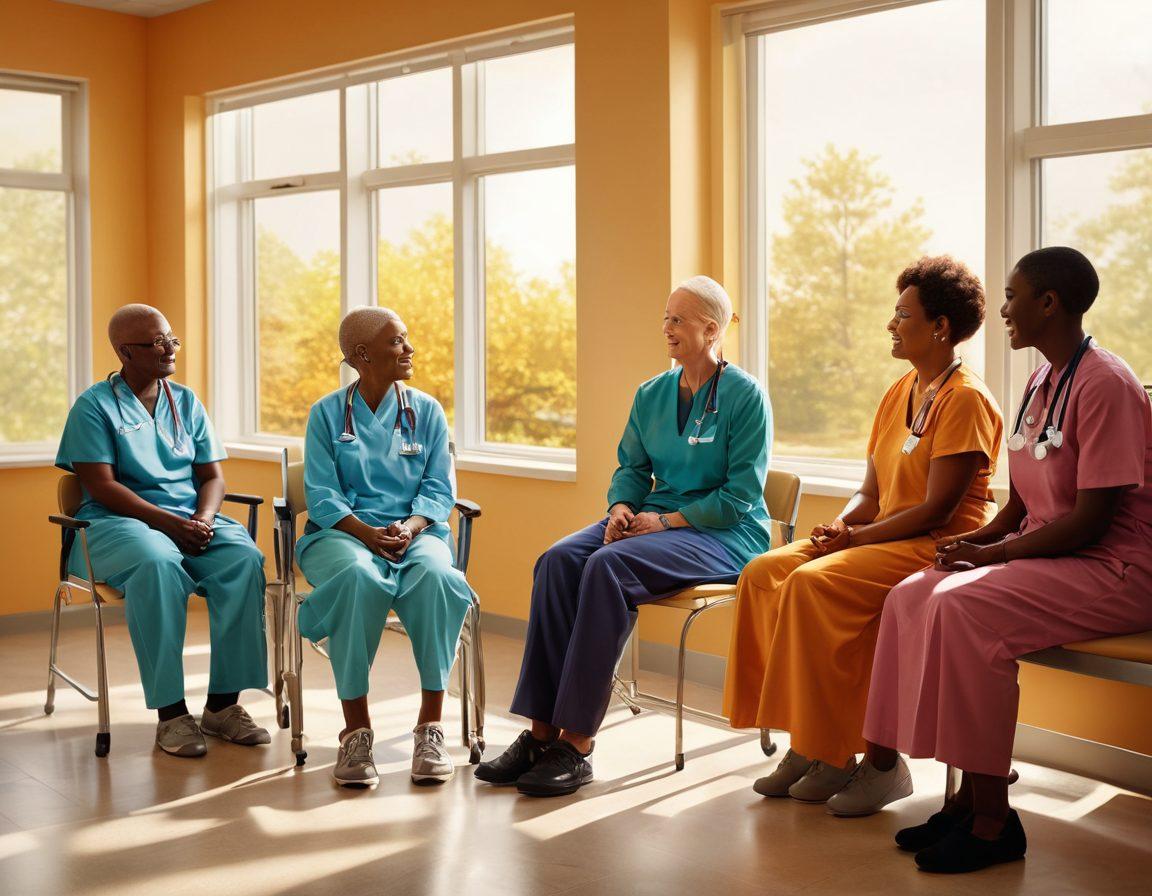
Being part of a support group can be transformative. It’s not merely about exchanging stories; it’s about forging bonds that deepen the understanding of what it means to live with cancer. Forums filled with shared experiences can offer unique insights into coping strategies, mental health preservation, and even practical advice on managing the side effects of treatment. Have you ever considered joining a support group? The strength that lies in collective knowledge can provide emotional buoyancy during challenging times, ensuring you never feel alone in this fight. Remember, asking for help is a sign of strength, not weakness.
Lastly, let’s talk about the role of tumor research in shaping the future of cancer treatment. As researchers delve into the intricacies of carcinomas, breakthroughs are reshaping the landscape of oncology. Understanding how specific tumors behave allows oncologists to tailor their approaches, leading to more effective therapies. With ongoing studies and advancements in patient advocacy, we are seeing a ripple effect that encourages discussion and innovation in healthcare. So, as we nurse our hopes with every medical news update, keep your mind open to the possibilities that lie ahead. What steps will you take today to become your own advocate in the cancer journey?
From Diagnosis to Recovery: A Comprehensive Guide to Supporting Your Cancer Journey
The journey of navigating cancer is often described as a rollercoaster ride filled with twists, turns, and unexpected drops. From the initial diagnosis to the long path of recovery, every step is crucial and can feel much like walking on a tightrope. Have you or a loved one found yourself standing at that daunting crossroad? Understanding how to support someone during this challenging time is vital. This blog will provide insights from oncology experts and guidance on treatment, survival, and the power of community in the fight against malignancy.
Once you receive the diagnosis of a carcinoma, the landscape of your life can change in an instant. Thoughts swirl around your head: What kind of tumor is it? What are the cancer statistics? Am I going to be okay? It’s essential to stay informed and connected to your oncologist. Learning about different cancer therapies and asking about clinical trials can empower patients and their families during this uncertain time. The more you know, the better equipped you are to make informed decisions that align with your personal wellness goals and values.
The importance of a strong support system cannot be overstated in the cancer journey. Support groups have shown remarkable effectiveness by providing a communal space where patients share their experiences. After all, who understands the complexities of living with cancer better than someone who is going through it? Personal stories and camaraderie can be incredibly healing. Remember, even within the depths of despair, a simple quote like, "You are not alone in this fight," can spark a glimmer of hope and show that a united front can ease the burdens of mental health struggles.
Looking after one’s nutritional support plays an equally critical role when tackling the challenges brought on by cancer. The link between health and wellness through proper diet is well-established. During treatment for breast cancer, lung cancer, or colorectal cancer, personalized nutritional advice can significantly bolster physical health and resilience. Did you know that integrating mindfulness can enhance your emotional coping skills? It’s a straightforward yet powerful way to help manage stress and improve overall well-being throughout treatment.
Finally, we must recognize the importance of patient advocacy. Engaging with the medical community about this journey can help demystify the intricacies of oncology care. Attending health blogs, signing up for medical news alerts, and actively participating in discussions can ensure that you stay abreast of the latest findings in tumor research and breakthroughs in cancer prevention. Remember, recovery is not just an endpoint, but a continuous process, intertwined with personal growth and resilience. Embrace the journey and know that every small step you take counts.
Empowering Patients: Understanding Cancer Therapies and the Role of Medical Advocacy
When confronted with a cancer diagnosis, feelings of fear and uncertainty can envelop even the strongest among us. Yet, amid these tumultuous emotions, it’s crucial to empower patients with knowledge and advocacy. The medical community is continually advancing in oncology, and understanding cancer therapies is key for those on this life-altering journey. Take a moment to ponder: how equipped do you feel to navigate the complex world of treatment and support that awaits you or your loved ones?
Cancer therapies can seem like a complex puzzle, filled with jargon and uncertainty. Terms like carcinoma, malignancy, and tumor often appear daunting. However, those words represent our greatest arsenal against this disease—combining groundbreaking tumor research, innovative treatment options, and emerging clinical trials. For instance, advancements in targeted therapies and immunotherapies are revolutionizing the approach to treating types such as breast cancer, lung cancer, and colorectal cancer. Understanding these options not only facilitates informed decision-making but also instills a sense of ownership over one’s health journey. Remember, knowledge is power!
As we delve deeper into the intricacies of cancer care, it becomes increasingly apparent how vital personal wellness is during treatment. Mindfulness, mental health, and proper nutritional support play pivotal roles—physical health alone doesn’t encompass the entirety of recovery. One might ask, how can activities like yoga or meditation contribute to healing? Evidence increasingly suggests that incorporating mindfulness practices can reduce anxiety and improve quality of life for those living with cancer. Embracing holistic approaches encourages not only resilience but also promotes a sense of community, often found within support groups.
The importance of patient advocacy cannot be overstated in the discussion around cancer therapies. Individuals often find themselves feeling overwhelmed by their diagnosis and the myriad of healthcare decisions that follow. Here, an oncologist—an expert empowered by education and experience—can be a trusted ally. They can clarify cancer statistics, explain various treatment pathways, and address any questions or concerns. Ask yourself: who is in your corner when it comes to making essential healthcare decisions? Become your own advocate by seeking out information, communicating openly with caregivers, and hopefully inspiring those around you to do the same.
Finally, navigating cancer is not a solitary expedition; it’s an intricate journey that demands collaboration between patients, healthcare providers, and the greater medical community. Whether you’re researching the latest medical news or exploring avenues for cancer prevention, remember that support networks can be vital. They provide emotional sustenance and practical advice for managing symptoms or seeking out clinical trials. Consider reaching out to your local support groups or engaging with health and wellness blogs dedicated to cancer education. Together, we can create pathways that empower individuals facing a malignancy, fostering hope for a healthier tomorrow.